
Participation wavier for all Activities, Activities refers to “Events”, “Programs”, “Field Trips”, “Birdathon”, “Lectures & Presentations”, “Christmas Bird Count [CBC]”, “Fundraisers”, but not exclusive to, conducted, hosted, or sponsored by, the Charleston Natural History Society (CNHS) and may be found here: Participation Wavier. By participating in any CNHS activity it is assumed that you have read and agreed to the wavier.
Participants shall also agree that the Charleston Natural History Society, Audubon, may use photographs, recordings, or videos taken during such activities with or without your name and for any lawful purpose, including for example such purposes as publicity, illustration, advertising, and Web content.
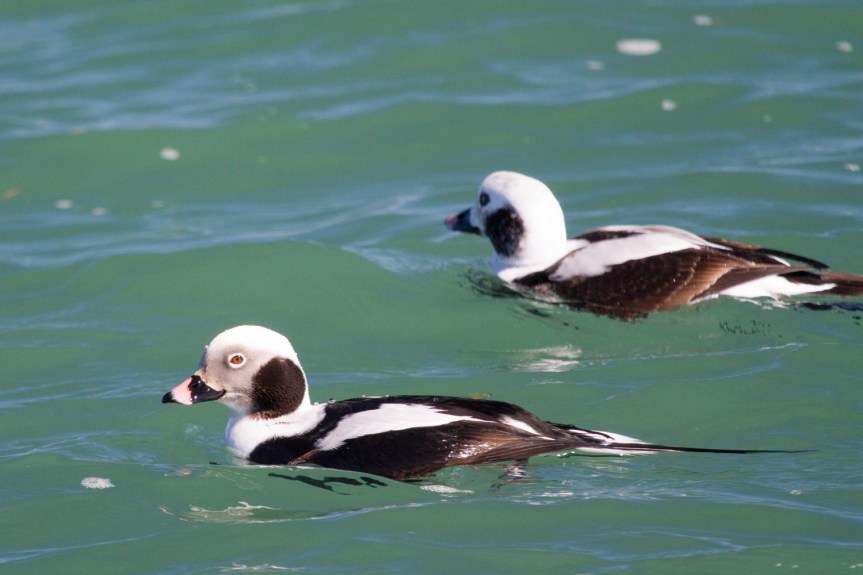
Spring 2026
Venue & days – please refer to the specific month’s listing immediately prior to event for any changes.
March 2026
Nesting & Migratory Shorebirds
March 2nd, Monday, 6pm-8pm
James Island City Hall
1122 Dills Bluff Rd.
James Island, SC, 29412
This lecture will focus on the non-celebrities: South Carolina’s nesting shorebirds! The species, the habitats, the nesting strategies, population trends, and why they’re in danger.
Abigail Burke, Audubon South Carolina Coastal Stewardship Coordinator
April 2026
South Carolina Aquarium’s Dolphin Research Project
April 6th, Monday, 6pm-8pm
James Island City Hall
1122 Dills Bluff Rd.
James Island, SC, 29412
Lecture Overview: Caroline Heape will dive into South Carolina Aquarium’s ongoing Dolphin Research Project. Starting almost 10 years ago, during the dredging project in the Charleston Harbor, a group of marine mammal researchers decided to see how the estuarine bottlenose dolphins were impacted by dredging activity. Now this project is in its final stage of collecting data after dredging is over. Caroline will go over dolphin behaviors, the project’s preliminary findings, how the team collects data, and some fun surprises discovered along the way!
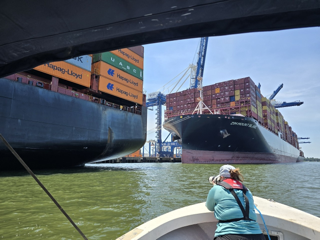
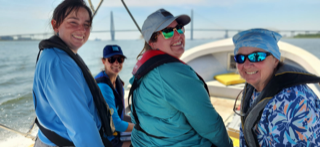
Lecturer Bio: Caroline grew up in the upstate of South Carolina where she became curious about the ocean, but specifically marine mammals. As she pursued her undergraduate degree at Clemson University, she took many marine sciences courses which furthered her interest in marine biology. One summer during college, she was a marine mammal intern at Gulfarium Marine Adventure Park where she learned about behavior and care for bottlenose dolphins, California sea lions, harbor seals, and Asian small clawed otters. She also took a weeklong course in the Florida Keys that covered bottlenose dolphin veterinary care and anatomy and physiology. After graduating, she pursued a career in interpretation at Mississippi Aquarium where she took the knowledge she gained about marine mammals and applied it through teaching others about them. Wanting to be closer to home, she moved to Charleston where she worked at South Carolina Aquarium for 3 years as an interpreter. During her time at the aquarium, she was introduced to Pat Fair and began working on the Charleston Harbor dolphin project- sorting and labeling photos of dolphin dorsal fins. She eventually was able to go on boat trips where she collected data and took photos and now, she is the co-investigator for this project and is the main photographer and data collector.
May 2026
Charleston Waterkeeper Clean Water Projects
May 4th, Monday, 6pm-8pm
James Island City Hall
1122 Dills Bluff Rd.
James Island, SC, 29412
Lecture Overview: Cheryl Carmack-Smith and Britney Prebis, from the Charleston Waterkeeper (CWK), will discuss the Clean Water Projects and what the organization undertakes in and around the Charleston Harbor watershed to promote clean water, testing water quality to drive action that protects and restores your waterways so you and your family can enjoy the water without pollution. Cheryl and Britney will be highlighting the work being done in the Adopt a Stream, Creek Watcher and Microplastics programs.

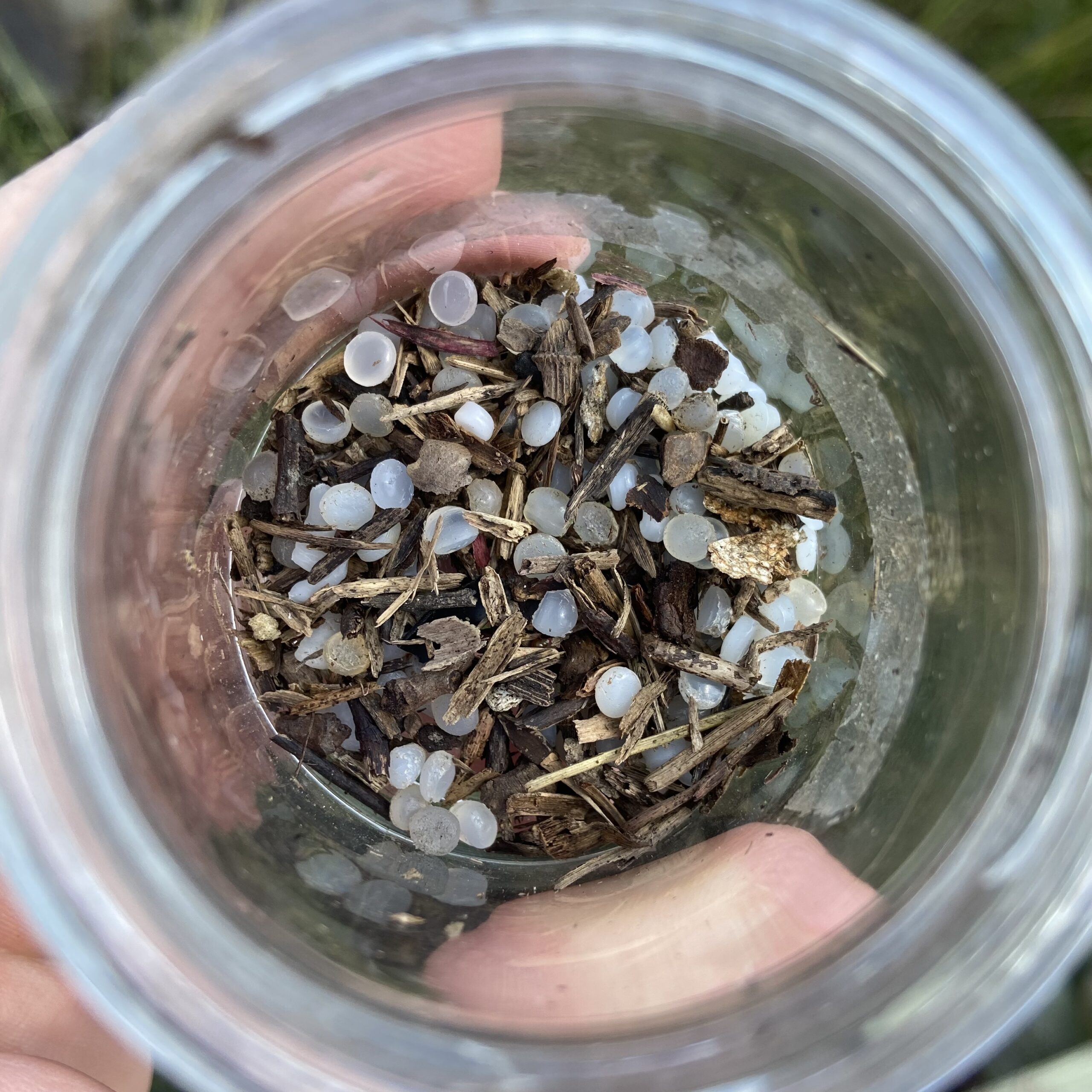
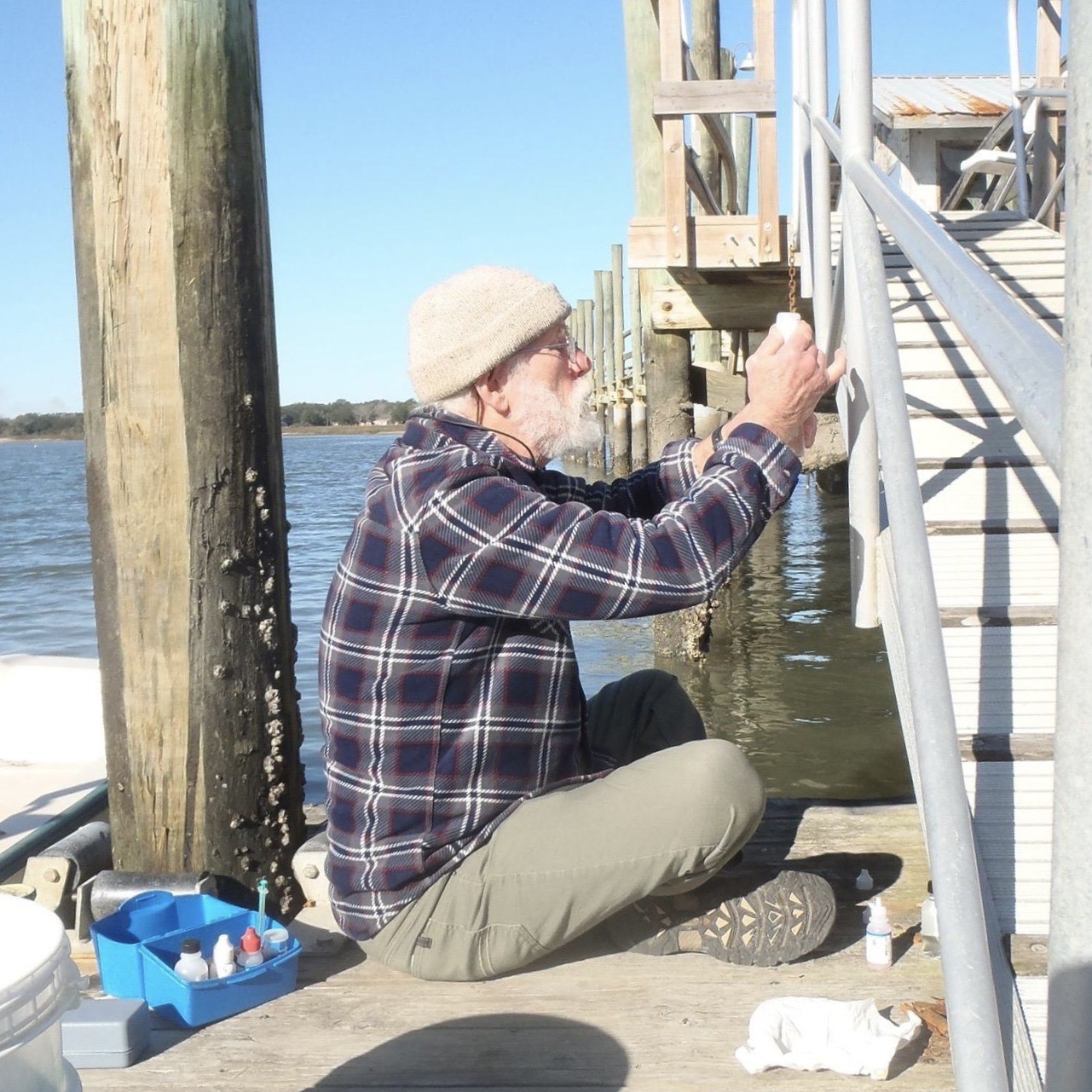
Lecturers’ Bios: With a keen eye for detail and a love for science, Cheryl Carmack-Smith directs Charleston Waterkeeper’s science and habitat restoration programs. Cheryl oversees all the organization’s water quality monitoring programs, including the maintenance and operation of our certified laboratory–a joint initiative with the College of Charleston’s Hydrochemistry Laboratory. When Cheryl’s not in the field pulling samples or in the lab, she’s out in the community engaging with the public about water quality issues.
Cheryl joined Charleston Waterkeeper in 2012 as an intern, quickly becoming the organization’s water quality specialist. As a graduate student in the College of Charleston’s Masters of Environmental Studies Program, Cheryl helped lead the establishment of Charleston Waterkeeper’s first water quality monitoring program. She earned her Master’s degree from the College of Charleston in 2014 and joined the Charleston Waterkeeper team full time.
Before moving to Charleston, Cheryl earned her Bachelor’s degree in Biology from the University of Alabama at Birmingham and worked at the university as a researcher for a few years in the Biology department.
Cheryl loves getting her feet dirty and collecting weird finds from marsh cleanups.
Britney serves as Charleston Waterkeeper’s Community Science Manager. Passionate about connecting the community of Charleston to their waterways, Britney manages Charleston Waterkeeper’s Creek Watcher and Microplastic Monitoring water quality programs.
Britney joined Charleston Waterkeeper in 2022 as an intern while earning her Master of Science in Environmental and Sustainability Studies degree at the College of Charleston. Working with College’s Department of Geology and Environmental Geosciences, she developed Charleston Waterkeeper’s microplastics monitoring program – the first community science program of its kind looking at microplastics concentrations in the Charleston Harbor watershed.
Hailing from the suburbs of Chicago, before moving to Charleston Britney’s love for water brought her to Florida Gulf Coast University where she earned her Bachelor’s degree in Environmental Science. There she undertook a variety of water quality research projects, including the first study to quantify microplastic concentrations in the Southwest Florida region. When she’s not counting microplastics, catch Britney enjoying the water from her kayak, enjoying Charleston’s music scene at a concert, or hanging with her dogs on Folly Beach.
 Charleston Natural History Society