
Participation wavier for all Activities, Activities refers to “Events”, “Programs”, “Field Trips”, “Birdathon”, “Lectures & Presentations”, “Christmas Bird Count [CBC]”, “Fundraisers”, but not exclusive to, conducted, hosted, or sponsored by, the Charleston Natural History Society (CNHS) and may be found here: Participation Waiver. By participating in any CNHS activity it is assumed that you have read and agreed to the wavier.
Participants shall also agree that the Charleston Natural History Society, Audubon, may use photographs, recordings, or videos taken during such activities with or without your name and for any lawful purpose, including for example such purposes as publicity, illustration, advertising, and Web content.
Fall 2026
Venue & days – please refer to the specific month’s listing immediately prior to event for any changes.
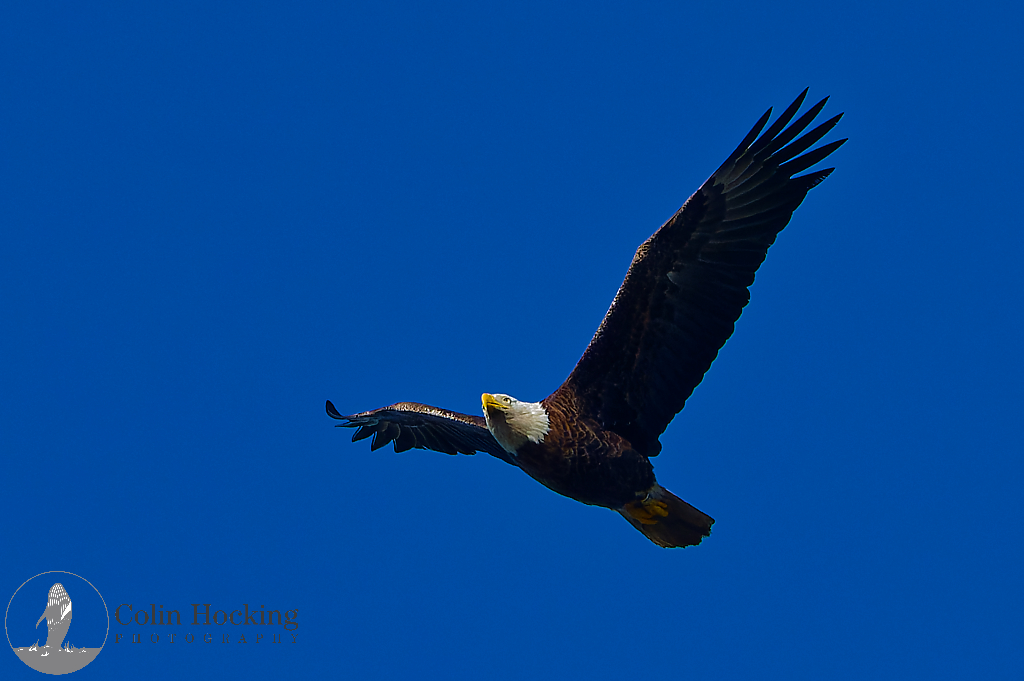
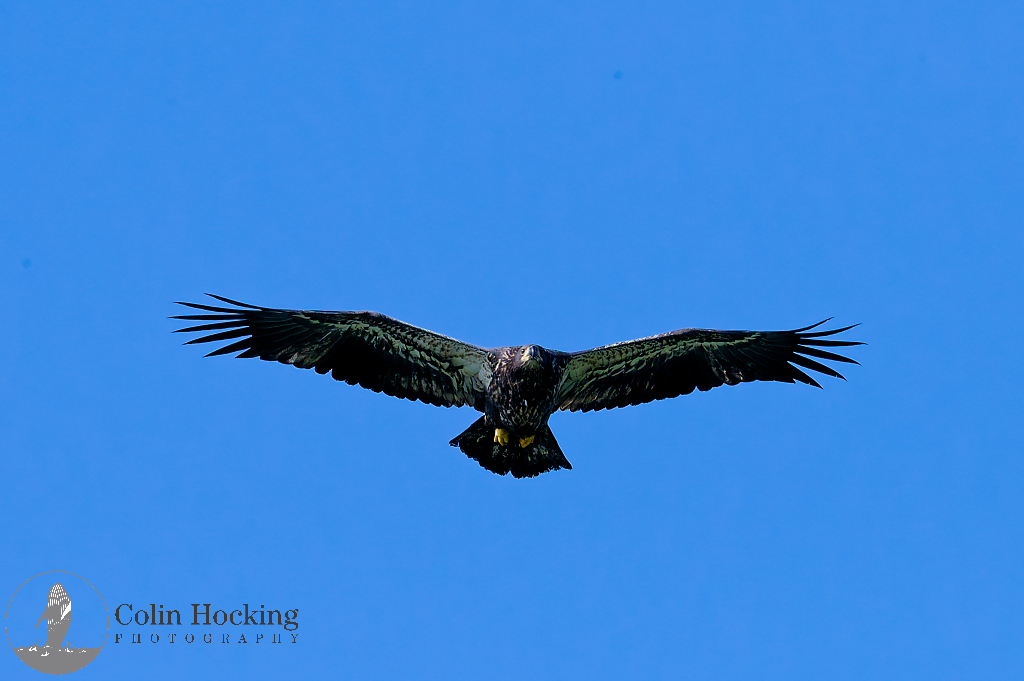
The Bald Eagles of Caw Caw Interpretive Center
Monday November 2nd
6-8pm
James Island City Hall
1122 Dills Bluff Rd,
James Island, SC, 29412
Join Master Naturalist and wildlife photographer, Colin Hocking, as he shares his experience monitoring Bald Eagles as a Bald Eagle Ambassador for Charleston County Parks.
The Bald Eagle nest at Caw Caw Interpretive Center in Ravenel is now entering its 10th season, and for the last 4 years volunteers of the Coastal Master Naturalists Association have been monitoring and recording nest activity. Colin will share his experiences, a little Bald Eagle natural history, and many of his photographs taken of this mated pair of Bald Eagles on their journey from refurbishing their nest through the fledging of their many offspring.
Colin is a wildlife photographer, President of the CMNA, VP of the CNHS, and volunteers for Charleston County parks as a Bald Eagle and Alligator Ambassador. He also volunteers with SCDNR and with Dorchester County Parks. As a lifelong photographer and a retired freelance photographer, Colin now leads photography workshops and tours, teaches photography classes for the Statewide Master Naturalist program and co-leads bird photography walks with CCPRC naturalist Kristina Wheeler.
www.CharlestonBirdPhotoTours.com

